Launch a full Next.js SaaS in minutes, not days.
Production-ready Next.js starters with auth, UI, and clean, AI-friendly codebases.
Pick a theme and start building.
No setup headaches. No messy codebases.
Starting at $29. One-time purchase. No subscription.
Browse production-ready themes →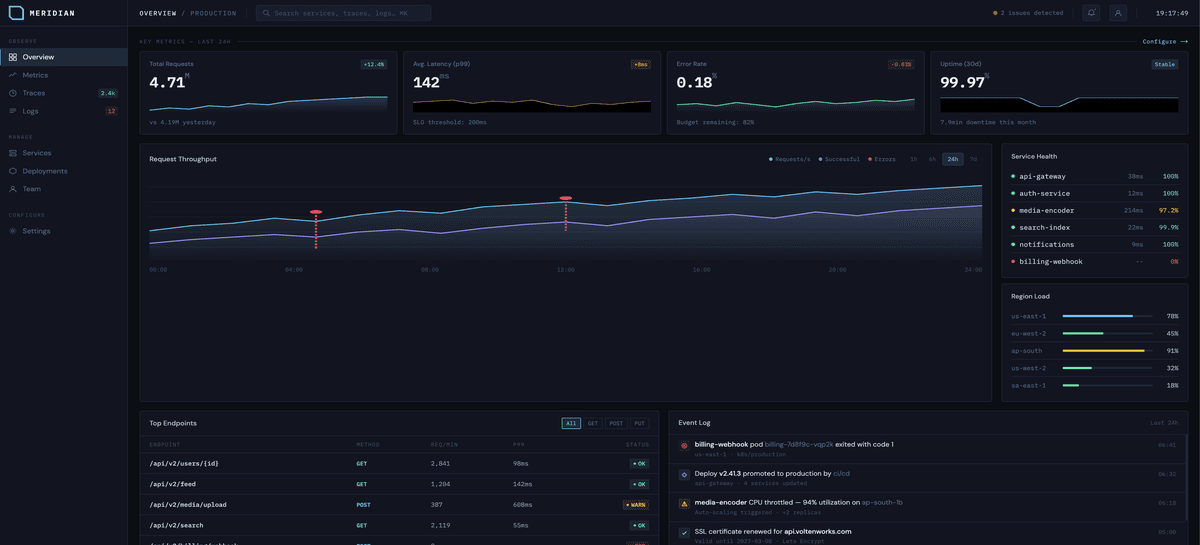
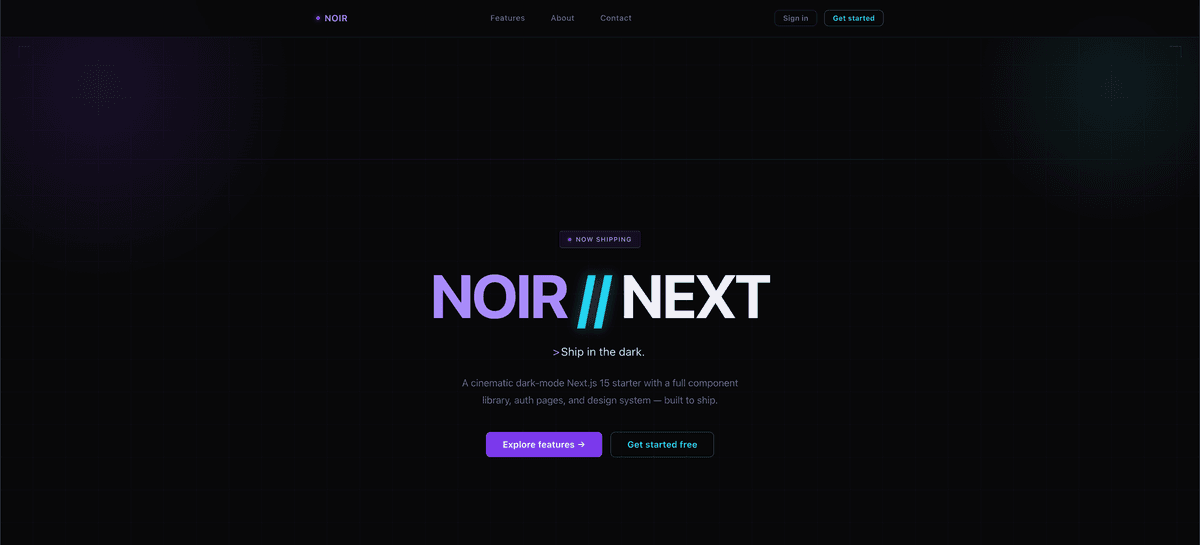
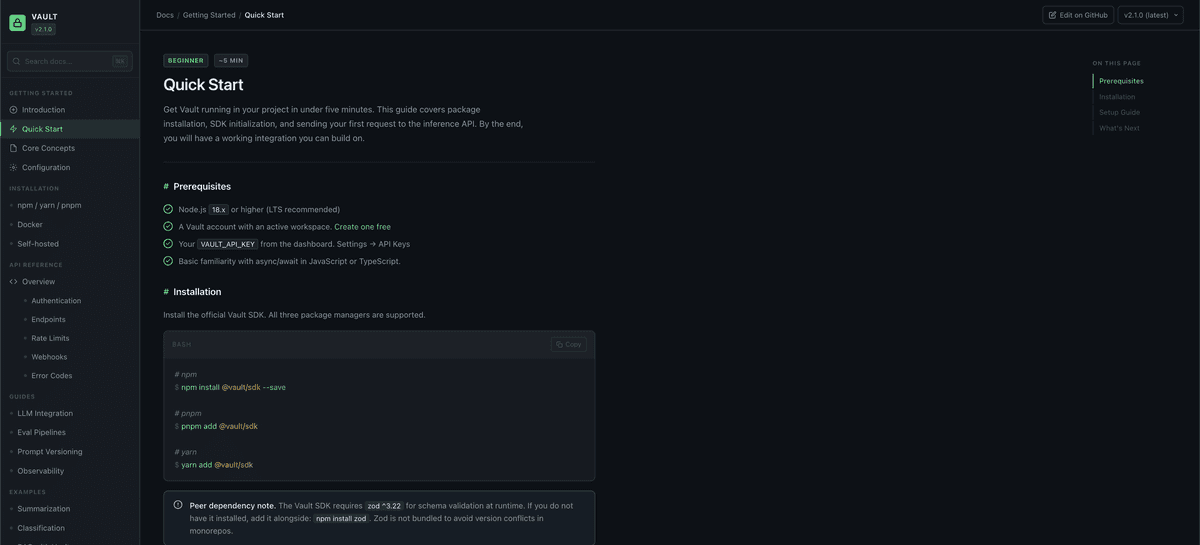
Real production UI in every theme. Not mockups.
Everything you need to launch.
Auth
Login, signup, and auth flows. Ready to connect.
Pre-built UI components
Buttons, badges, cards, text. Styled and typed.
Dashboard + app layouts
Sidebar, topbar, content areas. Structure that scales.
Clean Next.js code
Production-ready structure. TypeScript strict. Tailwind v4.
Pick a style. Start building.
Every theme includes a full design system, auth pages, components, and Tailwind v4.
One-time purchase. Lifetime access.
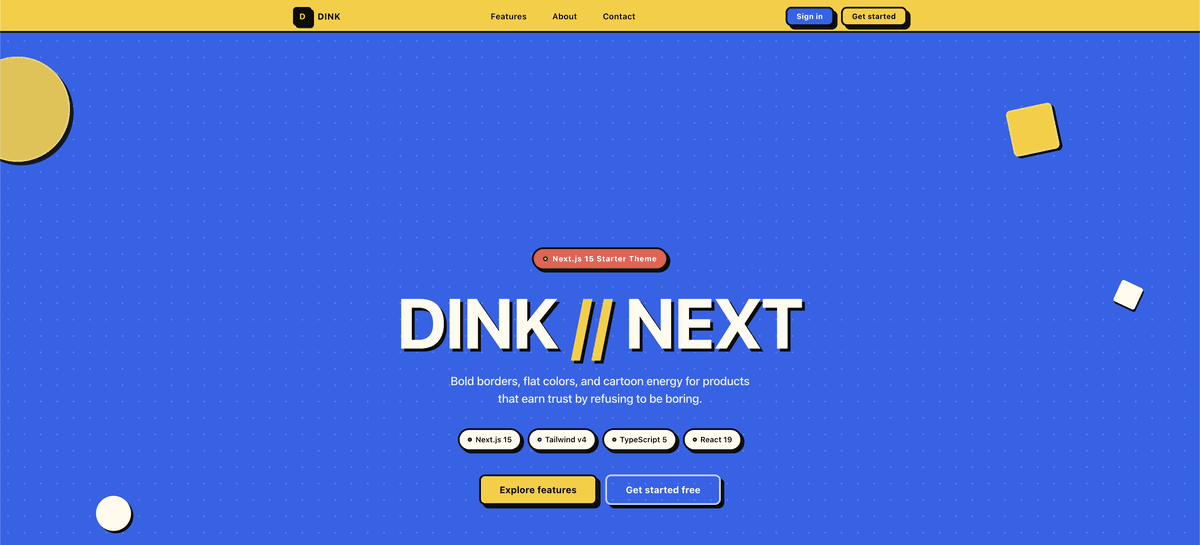
Retro-toy aesthetic with Fredoka display font, bold 3px borders, flat offset shadows, and a playful cream & cobalt palette.
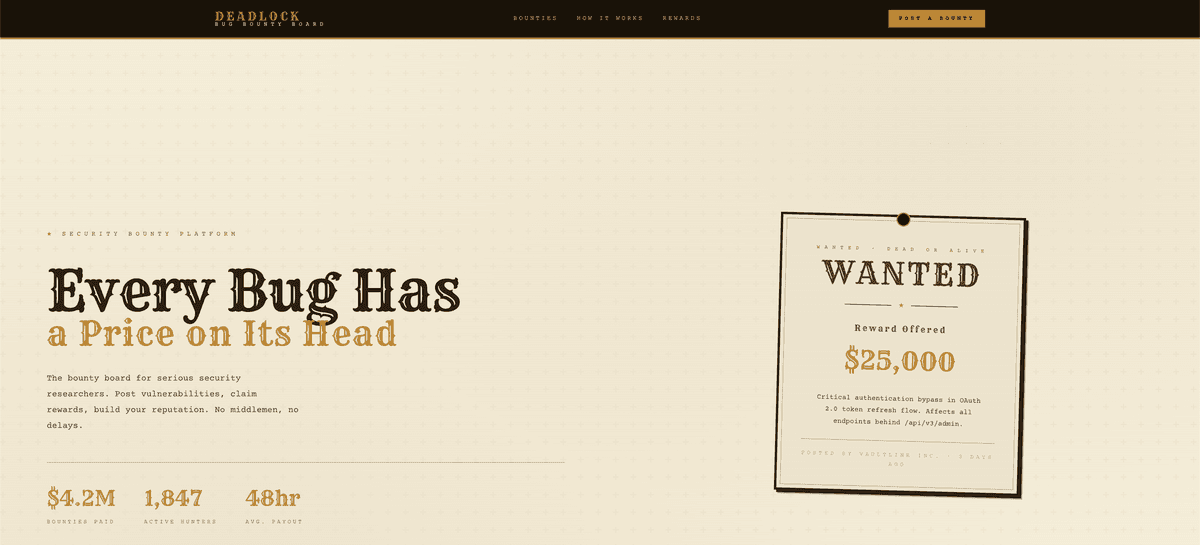
Western wanted-poster aesthetic with Rye display font, Courier Prime monospace, parchment & charcoal palette, severity badges, editorial steps, and bounty card grids.
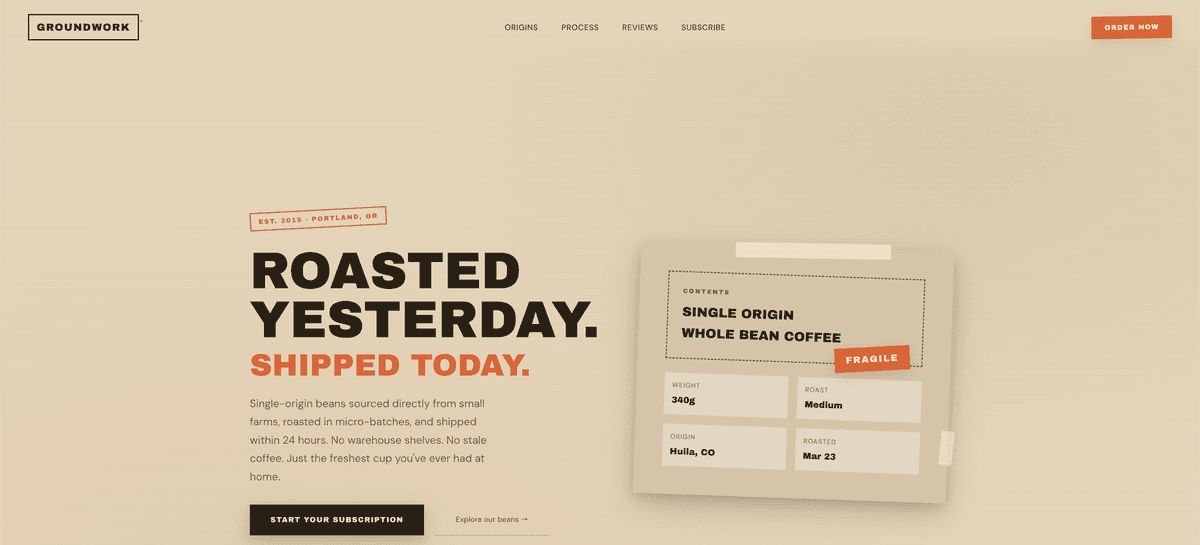
Kraft-paper artisanal subscription landing page with Archivo Black, warm cardboard palette, shipping-crate motifs, and tape decorations.
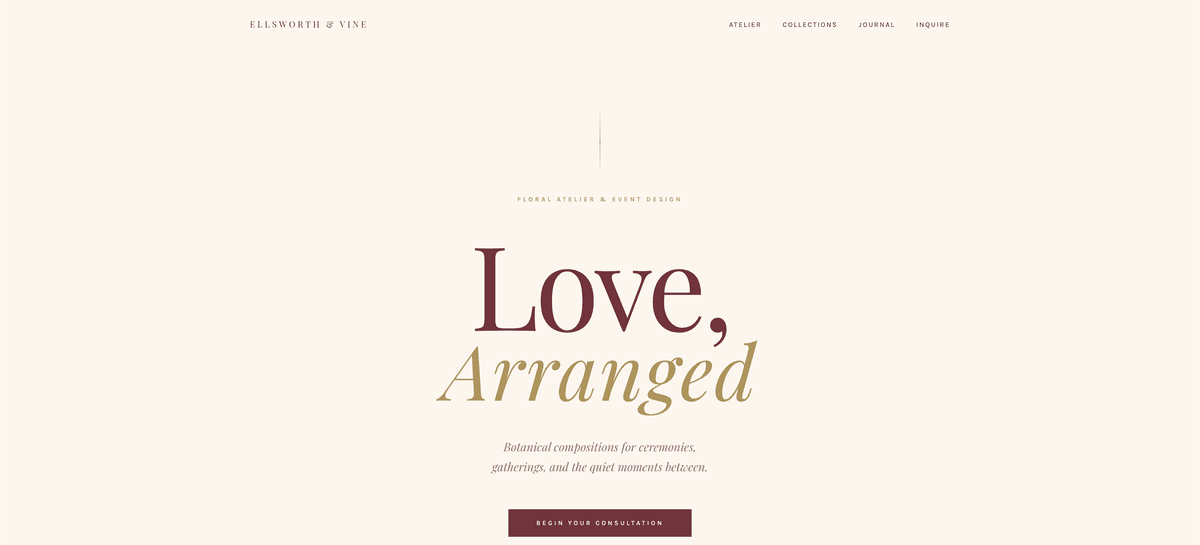
Wedding and floral atelier aesthetic with Playfair Display serif, ivory & burgundy palette, torn-paper dividers, and botanical motifs.
Need more than a theme?
LaunchKit takes our best ShipUI themes and adds a real backend. Auth, payments, email, and a dashboard. Your users can sign up, subscribe, and pay you on day one.
From idea to running app in minutes.
The ShipUI CLI scaffolds a full project, installs components, and wires up theme styling. No copy-pasting, no manual setup.
✓ Created src/app/signup/page.tsx
✓ Created src/components/AuthForm.tsx
✓ Added auth CSS to globals.css
✓ Updated .env.example
Your AI tools write cleaner, more reliable code by default.
Every theme is built on clean conventions that AI coding tools understand. Consistent file structure, clear naming, and patterns your model can follow instead of guess.
Clean by default
Every theme follows the same conventions: defaults.ts for copy, typed props, server components by default. AI tools produce better output because the codebase is already well-structured.
Full AI guardrails included
Every theme includes CLAUDE.md, .cursorrules, and project structure docs. Your AI tools know the stack, the rules, and what to avoid.
Skip the assembly.
Other tools give you parts. ShipUI gives you the whole thing.
| Feature | ShipUI | shadcn/ui | Tailwind UI |
|---|---|---|---|
| Install a full theme in seconds | ✓ | - | - |
| CLI install | ✓ | ✓ | - |
| Ready-to-use SaaS starters | ✓ | - | - |
| Free components | ✓ | ✓ | - |
| One-time purchase | ✓ | - | - |
Start your SaaS in minutes.
Pick a theme, install it, and ship your product. Or skip straight to a full SaaS with LaunchKit.
Voltenworks builds developer tools for shipping faster. Every ShipUI theme, including this website, is built with ShipKit.